Why a Root Cause Approach to Neuropathy Matters: Stop Nerve Damage Before It’s Too Late
If you have neuropathy, you have probably been told to “live with it” or given medications to help manage the symptoms. While medications may temporarily reduce pain or burning, they often do little to address the reason your nerves are being damaged in the first place.
That is why taking a root cause approach to neuropathy is so important.
Neuropathy is not simply a numbness and tingling problem. It is a complex condition involving nerve damage, poor circulation, and chronic inflammation. Unless those underlying issues are identified and addressed, the damage often continues to progress—even if the symptoms seem temporarily under control.
Neuropathy Is More Than Numbness

Many people think neuropathy only causes numbness or tingling in the feet. In reality, those symptoms are your body’s warning signals that something much more serious is happening.
Peripheral neuropathy can also cause:
- Burning or stabbing pain
- Loss of balance
- Muscle weakness
- Difficulty walking
- Cold feet or poor circulation
- Cramping
- Changes in skin color or temperature
- Reduced sensation that increases the risk of falls and injuries
These symptoms are not the problem—they are the result of nerves that are no longer functioning properly.
The Three Problems Behind Neuropathy
1. Nerve Damage
The nerves themselves become injured or begin to die. As the damage progresses, they lose the ability to send signals between your brain and your muscles, skin, and organs.
The longer the damage continues, the harder it becomes for those nerves to recover.
2. Poor Circulation
Nerves require a constant supply of oxygen and nutrients to stay healthy.
When circulation is compromised, the nerves are essentially being starved. Without proper blood flow, they cannot repair themselves effectively, and nerve damage often accelerates.
3. Chronic Inflammation
Inflammation is one of the most overlooked contributors to neuropathy.
High blood sugar, poor diet, metabolic conditions, autoimmune disorders, chronic stress, toxin exposure, nutritional deficiencies, and other health problems can all create an inflammatory environment that continually irritates and damages nerves.
Unless that inflammation is reduced, the nerves remain under constant attack.

Are You Treating the Symptoms or the Cause?
Imagine your smoke alarm starts going off because there is a fire in your kitchen.
You could remove the batteries to silence the alarm—but the fire would continue to burn.
Neuropathy symptoms work the same way.
Pain, numbness, burning, and tingling are warning signals telling you something is wrong. Simply masking those symptoms without asking why they are occurring allows the underlying damage to continue.
Unfortunately, many people don’t realize the seriousness until they begin experiencing:
- Significant loss of sensation
- Severe balance problems
- Muscle wasting
- Foot ulcers
- Increased fall risk
- Permanent nerve damage
By then, some nerves may no longer be capable of healing.
Why Finding the Root Cause Is Critical
Every person’s neuropathy is different.
While diabetes is one of the most common causes, neuropathy may also be related to:
- Prediabetes and insulin resistance
- Vitamin deficiencies
- Autoimmune conditions
- Chronic inflammation
- Poor circulation
- Spine conditions
- Medication side effects
- Toxin exposure
- Lifestyle and nutritional factors
Without identifying what is driving your nerve damage, it becomes difficult to slow—or stop—the progression.

Comprehensive Neuropathy Testing Matters
A proper neuropathy evaluation should go beyond asking where your feet hurt.
Comprehensive testing should evaluate multiple aspects of nerve function, including:
- Sensory nerve function
- Motor nerve function
- Autonomic nerve function
- Circulation
- Medical history
- Lifestyle factors
- Nutrition
- Risk factors contributing to nerve damage
Looking at the complete picture helps determine the stage of neuropathy and whether there are opportunities to slow progression and support healthier nerve function.
Can Neuropathy Be Reversed?
One of the most common questions patients ask is whether neuropathy can be reversed.
The answer depends largely on how early the condition is identified.
Nerves heal very slowly. If nerve cells have already died completely, they generally cannot be brought back.
However, nerves that are injured—but still alive—may have the ability to improve when the underlying causes are addressed and the body is given the support it needs to heal.
That is why early intervention is so important.
The goal is to stop ongoing damage before more nerves become permanently lost.
Don’t Ignore Your Body’s Warning Signs
Numbness is not normal.
Burning is not normal.
Tingling is not normal.
Loss of balance is not normal.
These symptoms are your body’s way of telling you that your nervous system needs attention.
Ignoring them or simply covering them up may allow the condition to continue progressing until permanent nerve damage has occurred.
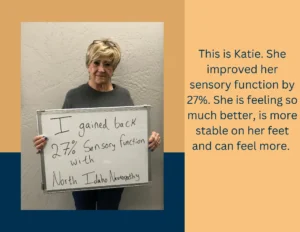
A Root Cause Approach Gives Your Body the Best Opportunity to Heal
A comprehensive neuropathy program should focus on identifying and addressing the underlying factors contributing to nerve damage—not simply masking symptoms.
When nerve health, circulation, inflammation, nutrition, lifestyle, and other contributing factors are evaluated together, patients have the best opportunity to:
- Slow or stop the progression of neuropathy
- Support healthier circulation
- Reduce inflammation
- Improve nerve function
- Improve balance and stability
- Enhance overall quality of life
The earlier you act, the greater the opportunity to protect the nerves you still have.
If you’re experiencing numbness, tingling, burning, or balance problems, don’t wait until the damage becomes permanent. Finding the root cause may be the most important step you take toward protecting your long-term nerve health.